Find Anti Static Fireproof Cleanroom Wall Panel for Pharma, Food, EL
Source 22 anti static fireproof cleanroom wall panel options with varying core materials like PU, rock wool, and MGO. Buyers can compare thickness, fire ratings, and customization features from suppliers in China.
Key considerations
Products List




Comprehensive Sourcing Guide
Strategic Sourcing Guide for Anti-Static Fireproof Cleanroom Wall Panels
Technical Specifications and Material Composition
When sourcing anti-static fireproof cleanroom wall panels, the primary objective is to identify products that satisfy the rigorous environmental and safety demands of controlled manufacturing and healthcare environments. The core material selection is the most critical technical variable, as it dictates the panel's insulation properties, weight, and fire resistance capabilities. Based on available market data, the core materials for these panels typically include Polyurethane (PU), Polyisocyanurate (PIR), Polyurethane (PUR), Rockwool, and Magnesium Oxide (MGO). Each of these materials offers distinct advantages; for instance, Rockwool and Silicate Rock cores are frequently associated with high fire resistance, while PU and PIR variants often provide superior thermal insulation with a lighter profile.
The structural integrity of the panel is defined by the steel skin and its coating. The steel thickness generally ranges from 0.35mm to 0.6mm, with specific observations noting values such as 0.426mm, 0.45mm, 0.476mm, 0.5mm, and 0.8mm. The surface finish is equally vital for cleanroom applications where static discharge and chemical resistance are concerns. Common panel materials include PE Polyester, PVDF, Sait Coated panels, and Anti-Static coatings. The anti-static feature is a specific requirement for electronics manufacturing and pharmaceutical facilities to prevent electrostatic discharge (ESD) damage to sensitive components.
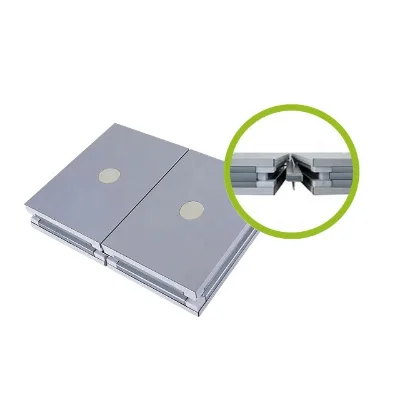
Dimensional specifications vary significantly based on the manufacturer's mold and the specific project requirements. The effective width of the panels is commonly observed at 980mm, 1180mm, and 1200mm, with some variations reaching 950mm or 1150mm. The standard thickness of the panels typically includes 50mm, 75mm, 100mm, 150mm, and 200mm options. For specialized applications, the thickness may be customized. The maximum length of the panels can extend up to 12,500mm, allowing for long, continuous runs that minimize vertical joints, which is a key factor in maintaining the airtight seal required in cleanrooms. The connection method is predominantly the "Enterprise Mouth Joint" or "Enterprise Mouth Splicing," which ensures a tight interlock between panels to prevent air leakage and particulate ingress.
Compliance and Certification Verification
In the realm of cleanroom construction, compliance with international and local safety standards is non-negotiable. Buyers must verify that the panels meet specific fire rating requirements. Market observations indicate fire ratings ranging from 1 to 4, with specific fire resistance limits noted as 1.0 hour or 1.0h. These ratings are critical for ensuring that the wall system can withstand fire exposure for a defined period, protecting both personnel and assets.
Certification status is another area requiring rigorous due diligence. While some listings mention certifications such as ISOROHS, CCC, and ISOCCC, buyers should not assume these apply to every unit without explicit verification. The presence of an "ISOCCC" designation suggests a combination of ISO standards and Chinese Certification Center compliance, but the exact scope must be confirmed against the specific batch of goods. Additionally, the term "ISOCustomized:Customized" appears in some data, indicating that certification may be subject to customization or specific project requirements.
Buyers should be aware that while standards like EN 1364-1 and ISO 14644 are relevant to the industry, they should be treated as background knowledge rather than guaranteed attributes of every listed product. The primary verification step involves requesting the actual test reports from the supplier to confirm that the specific panel model (e.g., HM44, Wa-04, CP-01, AM-003) has been tested and certified for the claimed fire resistance and anti-static properties. The absence of a specific certification number in a product listing should prompt a direct inquiry rather than an assumption of compliance.
Cost Drivers and Pricing Dynamics
The pricing of anti-static fireproof cleanroom wall panels is influenced by a complex interplay of material costs, manufacturing complexity, and logistical factors. The observed price range in the market spans from $2.20 to $58.00 per unit, a wide variance that reflects differences in core material, steel thickness, coating quality, and order volume. The lower end of the price spectrum typically corresponds to panels with thinner steel skins (e.g., 0.35mm), standard polyester coatings, and thinner core materials (50mm). Conversely, the higher price points are associated with thicker steel (up to 0.8mm), premium PVDF or anti-static coatings, and denser core materials like Rockwool or MGO.
Minimum Order Quantity (MOQ) is a significant cost driver. The observed MOQ ranges from 1 unit to 5,000 units. Buyers with smaller project requirements may face higher per-unit costs due to the inability to leverage bulk manufacturing efficiencies. Conversely, large-scale projects can negotiate better pricing by meeting higher MOQ thresholds. The customization factor also plays a crucial role; while customization is available, it often incurs additional tooling or setup costs compared to standard modulus panels (980mm/1180mm).
Logistics and packaging further impact the final landed cost. Most suppliers utilize "by Sea" shipping methods, which is cost-effective for large volumes but requires careful planning regarding lead times. Packaging is typically described as "Export Wooden Packing," which ensures protection during transit but adds to the overall weight and volume of the shipment. Buyers should factor in the cost of this specialized packaging and the potential for returnable or recyclable options if sustainability is a priority.
Typical Applications and Performance Requirements
The versatility of anti-static fireproof cleanroom wall panels makes them suitable for a wide array of high-stakes environments. The primary applications identified include Cleanrooms, Food Factories, Pharmacies, and Electronics (EL) manufacturing facilities. In these settings, the panels must maintain strict hygiene standards, resist chemical corrosion, and prevent the generation of static electricity.
In pharmaceutical and food manufacturing environments, the panels must facilitate easy cleaning and prevent microbial growth. The smooth surface of the PE Polyester or PVDF coatings aids in this regard, while the fireproof nature of the Rockwool or Silicate Rock cores ensures compliance with strict fire safety codes. For electronics manufacturing, the anti-static feature is paramount. The panels must dissipate static charges safely to prevent damage to sensitive microchips and components. The "Enterprise Mouth Joint" connection system is particularly valuable here, as it creates a seamless barrier that prevents particulate contamination from entering the cleanroom environment through gaps or cracks.
The performance requirements also extend to thermal insulation. The varying thickness options (50mm to 200mm) allow designers to tailor the thermal resistance of the wall system to the specific climate and HVAC requirements of the facility. Thicker panels provide better insulation, reducing energy costs for maintaining precise temperature and humidity levels, which are critical in cleanroom operations.
Supplier Evaluation and Origin Considerations
When evaluating potential suppliers, the geographic origin of the product is a key indicator of supply chain reliability and logistics efficiency. The majority of the observed products originate from Binzhou, Shandong, China, and Jiangsu, China. These regions are established manufacturing hubs for steel and building materials, offering a robust supply chain and competitive pricing. However, buyers should verify the specific factory location to ensure it aligns with their logistical preferences and to assess the supplier's capacity for timely delivery.
Supplier evaluation should focus on the transparency of their product data. Reliable suppliers will provide detailed specifications for their models (e.g., HM44, Wa-04, CP-01), including exact thickness, core material, and coating type. The availability of "Free Operating Training and Installation Video" is a positive indicator of a supplier's commitment to customer support and ease of installation. This service can significantly reduce the risk of installation errors, which can compromise the integrity of the cleanroom.
Buyers should also scrutinize the customization capabilities. While "Customization" is listed as an available attribute, the extent of this capability varies. Some suppliers offer fully customized sizes and thicknesses, while others may only offer standard modulus variations. The ability to customize the panel length up to 12,500mm is a significant advantage for large facilities, as it minimizes the number of joints and potential leak points.
Quality Control and Long-Term Procurement Considerations
Ensuring long-term quality requires a proactive approach to quality control (QC) during the procurement process. Buyers should verify the "Dlegonel Error" tolerance, which is observed to be ≤3mm. This metric is crucial for ensuring that the panels fit together precisely, maintaining the airtight seal required for cleanroom classification. Deviations beyond this tolerance can lead to air leakage, compromising the cleanroom's ISO classification.
The "Standard Modulus" of 980mm, 1180mm, or 1200mm should be strictly adhered to unless a custom order is placed. Consistency in modulus ensures compatibility with existing framing systems and simplifies the installation process. Buyers should also verify the "Fire Rating" and "Fire Resistance Limit" through third-party testing reports, rather than relying solely on supplier claims. The observed fire resistance limit of 1.0 hour is a common benchmark, but specific project requirements may demand higher ratings.
Long-term procurement considerations include the durability of the anti-static coating and the resistance of the steel skin to corrosion. The choice of coating material (PE Polyester vs. PVDF) will impact the lifespan of the panel in harsh environments. PVDF coatings generally offer superior UV resistance and color retention, making them ideal for facilities with high exposure to light or chemicals. Additionally, the "Export Wooden Packing" should be inspected upon arrival to ensure that the panels have not been damaged during transit, as any dents or scratches can compromise the panel's structural integrity and aesthetic appearance.
Final Procurement Checklist
To conclude the sourcing process, buyers should utilize a comprehensive checklist to verify all critical parameters before finalizing an order. This checklist should include confirmation of the core material, steel thickness, coating type, and fire rating. It is essential to ensure that the supplier provides the necessary certifications and test reports for the specific batch of goods. The MOQ and lead time should be clearly defined in the contract to avoid delays. Finally, the installation support, including training videos and technical assistance, should be confirmed to ensure a smooth deployment of the cleanroom wall system. By adhering to these rigorous standards and verification steps, buyers can secure high-quality anti-static fireproof cleanroom wall panels that meet the demanding requirements of modern industrial and healthcare facilities.
FAQs
What core materials are available for these panels?
Core materials include PU, PIR, PUR, Rockwool, and MGO. Rockwool and Silicate Rock offer high fire resistance, while PU and PIR provide superior thermal insulation with a lighter profile for cleanroom applications.
Which certifications do these panels typically hold?
Common certifications observed include ISOROHS, CCC, and ISOCCC. Buyers must verify specific test reports for each batch, as certification status may vary by model and customization requirements rather than applying universally.
How thick are the steel skins on these panels?
Steel thickness ranges from 0.35mm to 0.8mm, with common values like 0.4mm, 0.5mm, and 0.6mm. Thicker skins generally correlate with higher durability and premium pricing compared to standard 0.35mm options.
Can the panel length be customized for large projects?
Yes, the maximum panel length can be customized up to 12,500mm. This allows for continuous runs that minimize vertical joints, which is essential for maintaining the airtight seal required in cleanroom environments.
What fire resistance limits do these panels meet?
Panels typically meet a fire resistance limit of 1.0 hour, with fire ratings ranging from 1 to 4. Specific ratings depend on the core material, such as Rockwool or Silicate Rock, and must be confirmed via test reports.
Where are these panels manufactured and shipped from?
Products originate primarily from Binzhou, Shandong, and Jiangsu, China. Shipping is typically handled by sea using export wooden packing to ensure protection during transit to international destinations.